No woman should go without care in midlife because of cost, distance or silence.
The community charity for women's health in midlife. We fund free education, funded places for women who cannot pay, and regional scholarships, with a focus on the sexual, pelvic and genitourinary health that too often goes unspoken.


Most women meet menopause unprepared, and many never get care.
of women who have been through menopause learned about it only when they had symptoms themselves.
Australian women aged 45 to 64 say menopause symptoms made daily activities hard. 17% took an extended break from work.
of women with genitourinary symptoms of menopause in one large survey had never used any treatment, though effective options exist.
The Menopause Society, Genitourinary Syndrome of Menopause Position Statement, 2020
Australia is investing in clinicians and general practice. Women in the community are still waiting.
Clinician training
Federal funding from 2026 is expanding menopause education for health professionals, including in regional and rural areas. We will seek to work alongside this, not duplicate it.
General practice
Medicare now funds menopause and perimenopause health assessments with a general practitioner. A check only helps the women who know to ask for one.
Women themselves: our focus
Free, plain language education for women in the community. Funded places for women who cannot pay. And the sexual, pelvic and genitourinary health that is common, treatable and least discussed.
Education first. Care that reaches the women most likely to miss out.

Free community education
Twelve online workshops co-led with clinicians, and a plain language resource series on sexual, pelvic and genitourinary health in midlife.
How it works
Funded places
Fully funded places in a structured eight week programme for women on low incomes, women living with disability, and women in regional and remote areas.
Who is eligible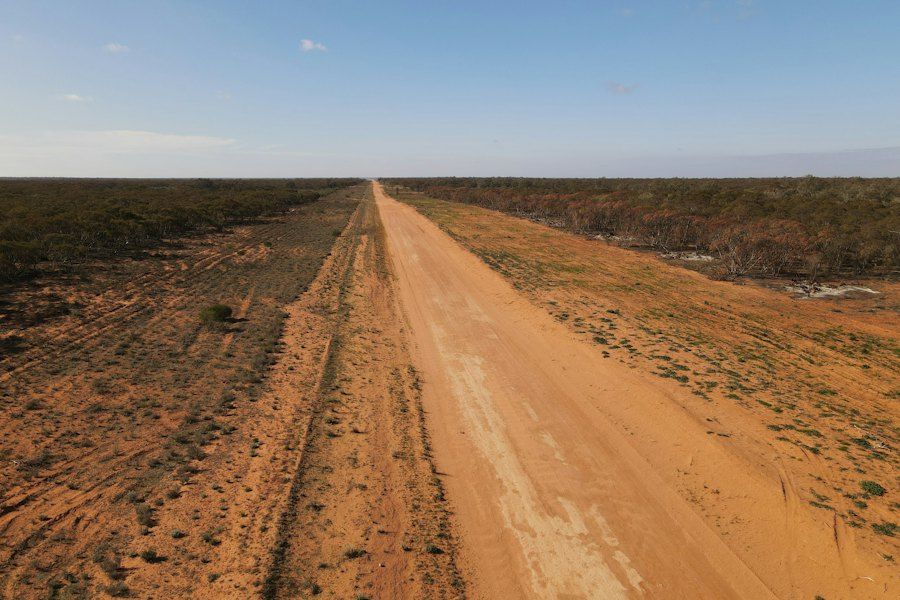
Regional scholarships
Training for general practitioners, nurses and physiotherapists in regional communities, so more women get early, informed care close to home.
For professionals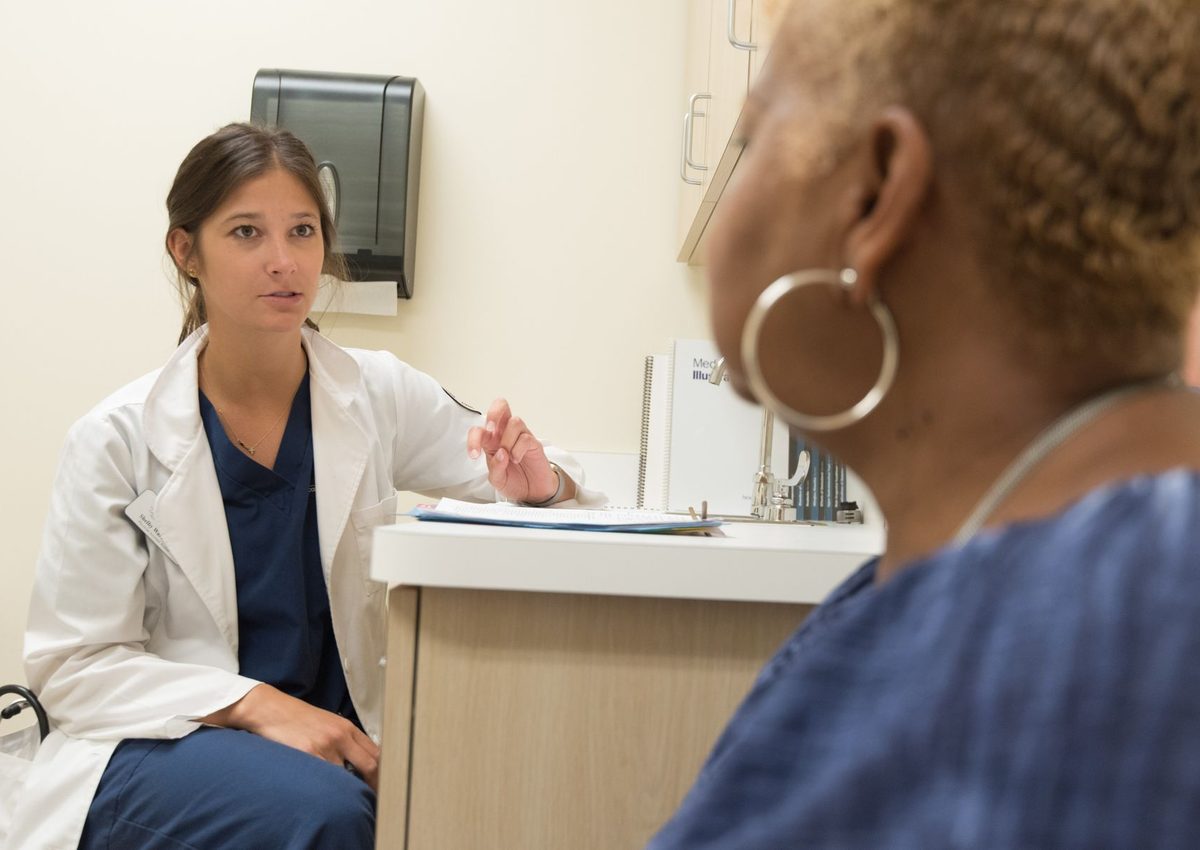
The right words, the right questions, the right door.
Genitourinary, pelvic and sexual health changes are among the most common and most treatable parts of menopause, and the least talked about. Our programmes give women plain language, a checklist for their doctor, and the confidence to ask.
Built to be trusted.
- Evidence first. Every claim on this site is sourced.
- Measured. We use validated questionnaires and publish results each year, including what did not work.
- Independent. Three of our four directors will be independent, including our Treasurer.
- Education, not treatment. We help women know when and where to seek care. We never replace a doctor.
- Accessible. Plain language, captions and short formats for women who care for others.
Be first to hear when programmes open
Our first workshops and funded places open in 2027. Register your interest and we will contact you.
Register interestDistance should not decide who gets care.
At least 60% of funded places go to women in regional and remote areas, on low incomes, or living with disability. Every session is online, recorded and captioned.
See our programmes